Monthly Game Room Ideas to Keep Your Entertainment Space Fresh
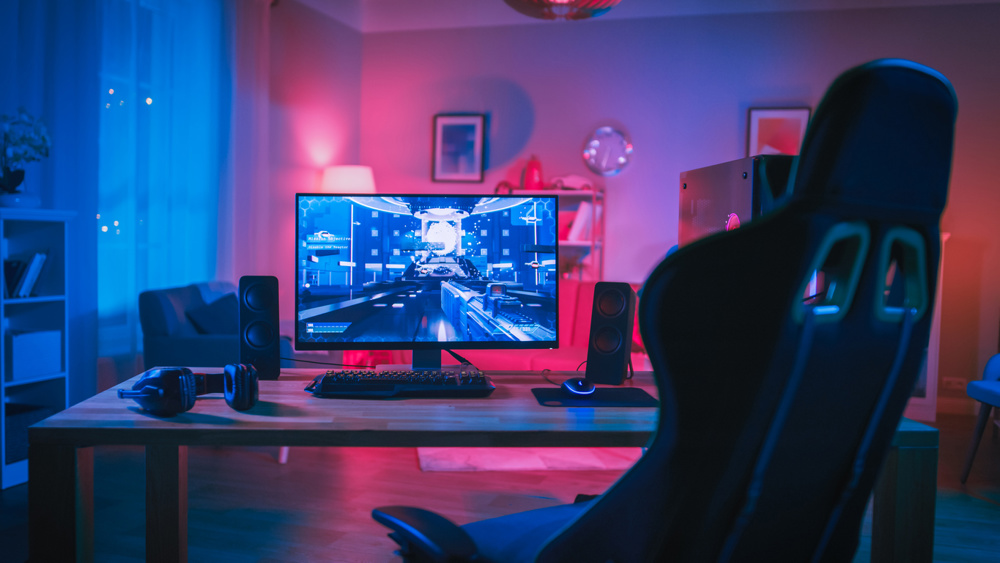
A game room doesn’t need a full renovation to feel new again. In fact, the most effective updates are often small, intentional changes that reshape how the space looks, feels, and functions. By adjusting lighting, rotating layouts, and introducing seasonal elements, you can keep your entertainment space dynamic without overspending or overcomplicating the process.
The key is to treat your game room as something that evolves. Instead of a static setup, think of it as a flexible environment that adapts to different moods, occasions, and routines. With the right approach, even minor adjustments can completely transform how the space is experienced month after month.
Game Room Setups That Work for Any Space and Budget
Creating a functional game room doesn’t require a large space or a large budget. With smart planning, even small or unconventional areas can become effective entertainment zones. Wall-mounted TVs and consoles free up floor space while keeping the setup clean and organized. Using vertical storage—such as floating shelves, hooks, and mounted racks—maximizes available space without adding clutter.
Furniture choices play a major role in flexibility. Bean bags, stackable chairs, and modular seating allow the room to adapt to different group sizes and activities. Multi-purpose furniture, like benches with storage or desks that double as gaming stations, helps maintain both function and efficiency. This is especially useful in shared spaces where the game room serves more than one purpose.
Budget-friendly strategies also make a big difference. Second-hand marketplaces, bundle deals, and gradual upgrades allow you to build your setup over time. Converting overlooked areas—like corners, closets, or under-stair spaces—into gaming nooks ensures that even limited square footage can be used effectively. The result is a setup that feels intentional, regardless of size or cost.
Colors and Lighting That Make Any Game Room Come Alive
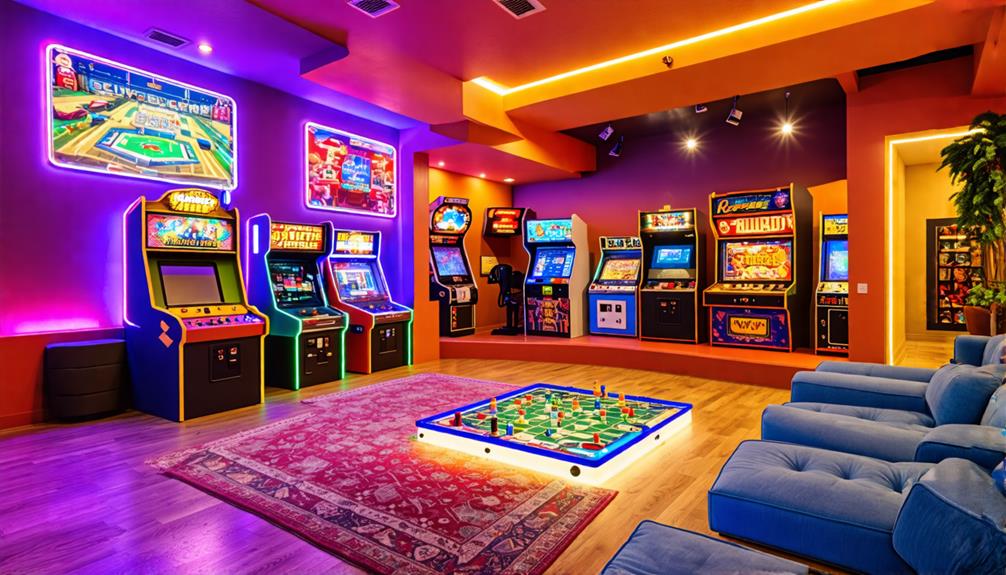
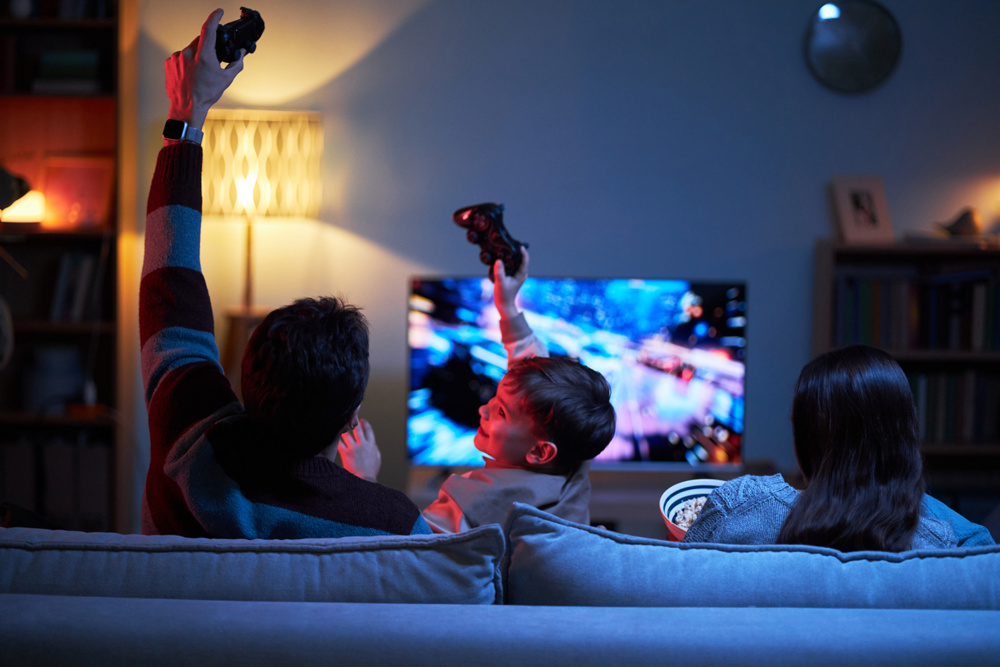
Lighting transforms a game room from a plain setup into something that actually feels alive. LED strips along the ceiling perimeter cast colorful glows, while neon gradients on accent walls and shelves give your space a bold, distinct personality. Pair dark tones like navy or charcoal with RGB pops to deepen immersion without overwhelming the room.
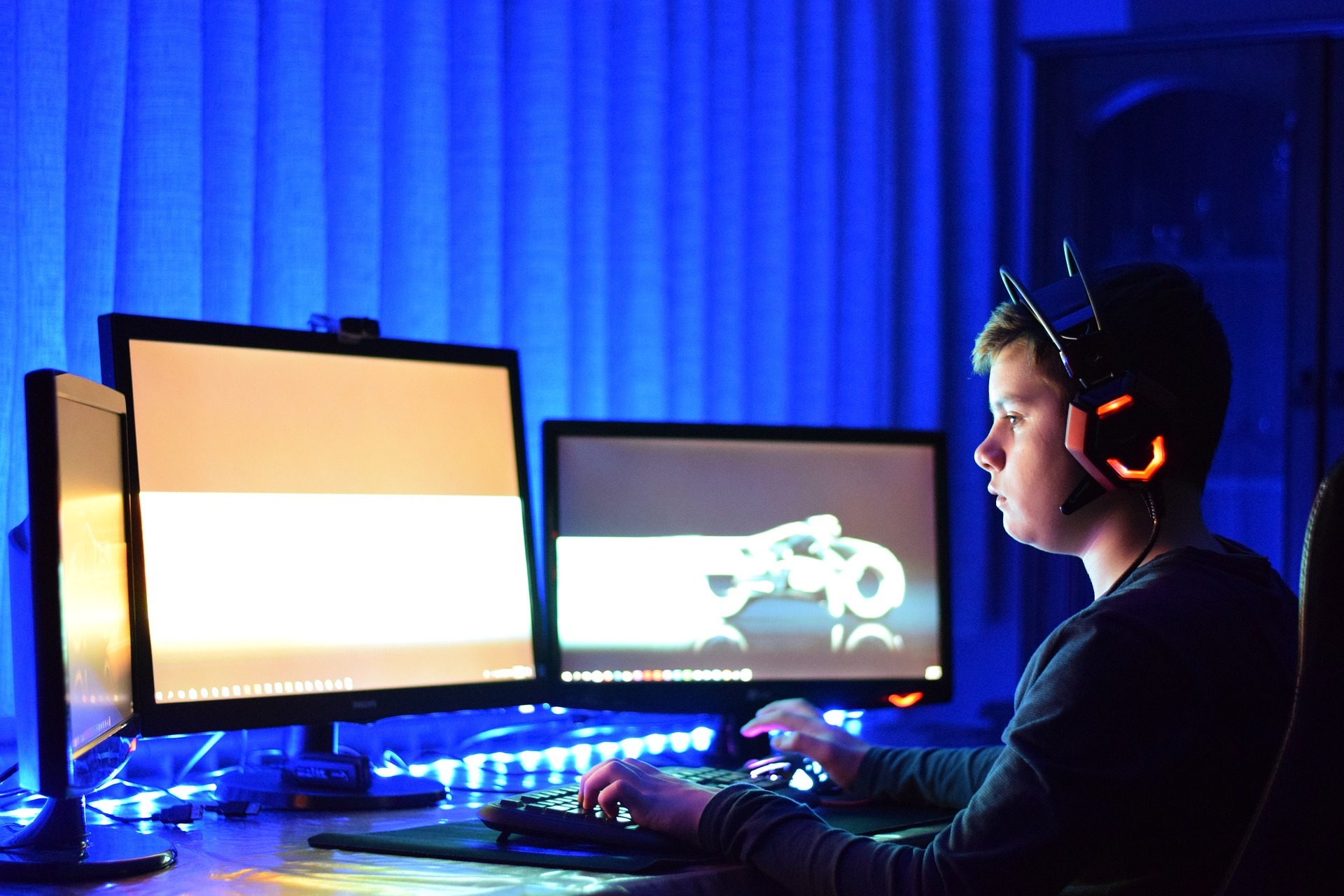
Color temperature matters more than most people realize. Cooler tones between 4000K and 5000K sharpen focus during intense sessions, while warmer tones around 2700K create a relaxed, casual atmosphere. Add bias lighting at 6500K behind your monitor to match screen temperature and cut eye strain markedly.
Smart systems let you adjust brightness and color through voice commands or apps, making every lighting shift effortless and precise. When planning your lighting layout, measuring your space accurately ensures strip lengths and panel placements align perfectly with your room dimensions. Color-changing panels and smart bulbs can be synchronized across all your fixtures to create cohesive scenes that shift seamlessly between gaming, relaxing, and entertaining modes.
Game Room Ideas That Work Best for Small Spaces
Limited space doesn’t mean limited creativity. Small game rooms benefit from designs that prioritize efficiency and adaptability. Wall-mounted equipment, foldable tables, and compact consoles help maintain functionality without overcrowding the room.
Multipurpose furniture becomes essential in tight spaces. A fold-out table can serve as a gaming surface and dining area, while storage ottomans provide both seating and organization. Rolling carts and movable pieces allow the layout to change depending on the activity, keeping the space versatile.
Corners and overlooked areas can also be optimized. Slim furniture and vertical storage solutions turn unused spots into functional zones. By focusing on flexibility rather than permanence, small game rooms can remain open, organized, and ready for different types of entertainment.
Smart Storage Ideas That Keep Your Game Room Tidy
A clutter-free game room rarely happens by accident—it takes intentional storage that works as hard as the space itself. Mount floating shelves to display collectibles and free up floor space. Use glass-front cabinets with adjustable shelving and built-in ventilation to protect board games while keeping consoles cool.
For seating areas, choose ottomans and benches with hidden compartments that stash extra games without sacrificing style. Swap bulky game boxes for zipper pouches alphabetized inside labeled bins—you'll find what you need faster. Add vertical dividers inside drawers to organize controllers, cables, and accessories neatly.
Pegboards and magnetic wall panels handle loose pieces and headphones visibly. Rolling carts slide under furniture when not in use. Custom built-ins can be tailored to fit tight or awkward spaces, integrating shelves, cabinets, and drawers into one cohesive unit that saves floor space compared to standalone furniture. Smart, layered storage keeps every corner functional and your game room consistently ready for play.
Explore how to build your own calendar to stay consistent with your game room interior trends.
Multi-Game Tables and Tabletop Setups Worth Having
Multi-game tables offer a practical solution for maximizing entertainment within a single piece of furniture. By combining multiple games into one unit, they reduce the need for separate equipment while still providing variety. This makes them especially valuable in spaces where efficiency matters, allowing you to create a full game experience without overcrowding the room.
These setups are particularly useful in smaller rooms, where space is limited. Convertible surfaces and modular designs allow quick transitions between activities, making the space feel more dynamic and adaptable. Switching from table tennis to air hockey or from poker to board games doesn’t just save space—it keeps energy levels high by constantly refreshing the activity. This built-in variety helps prevent the room from feeling repetitive, especially during longer game sessions or gatherings.
Durability is another key advantage. High-quality multi-game tables are built to withstand repeated use, making them a long-term investment rather than a temporary solution. Beyond function, they naturally encourage group interaction. Instead of isolating players into separate activities, they bring people together around a shared focal point. This turns the game room into a collaborative environment where participation feels effortless and inclusive.
Set Up a Snack and Drink Station for Game Night
No game room is complete without a snack and drink station to keep everyone fueled between rounds. Craft a rotating drink menu featuring options like frozen pineapple margaritas, double-berry daiquiris, or apple cider mojitos to match the season or occasion. For an invigorating twist, try a lemon drop martini made with homemade limoncello.
Your snack layouts should balance hearty bites with lighter options. Set up a quesadilla bar or taco bar for interactive serving, and keep crockpot bourbon BBQ meatballs warm for easy grabbing. Add pretzel bites with dip, black bean corn nachos, and a chip and dip platter for variety.
Jalapeno bacon bites and chicken puffs round out your spread with bold, satisfying flavors everyone'll reach for repeatedly. For a flaky, buttery option that travels and stores well, puff pastry snacks like sausage rolls and mini cheesy chicken pies are freezer- and make-ahead friendly, making them ideal for prepping in advance of game night.
Audio and Screen Upgrades Every Game Room Needs
High-quality audio and visuals significantly impact how a game room feels and functions. A clear, responsive display enhances gameplay precision, while immersive sound adds depth and intensity to the experience. Together, these elements create an environment that feels engaging rather than passive.
Modern setups benefit from features like high refresh rates, low input lag, and dynamic range support. These improvements make gameplay smoother and more visually detailed, especially for fast-paced or competitive games. On the audio side, properly calibrated systems provide directional sound, allowing players to feel more connected to what’s happening on screen.
Acoustic adjustments are equally important but often overlooked. Materials like rugs, curtains, and acoustic panels help control sound reflections, reducing echo and improving clarity. Speaker placement also plays a role in balancing sound throughout the room. These upgrades don’t just improve performance—they elevate the overall atmosphere, making the space feel more polished and intentional.
Rotate Themes Monthly to Keep the Space Feeling New
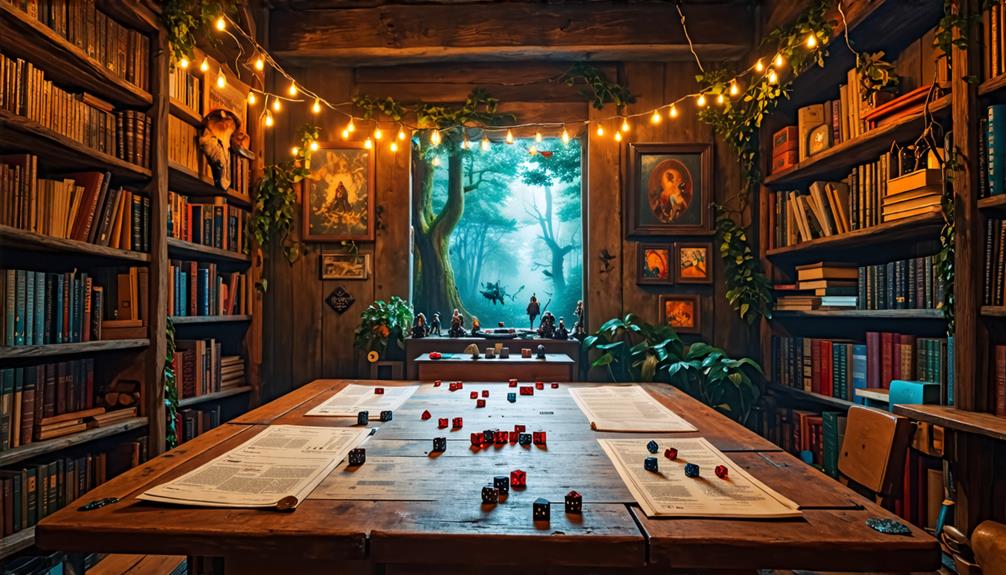
One of the easiest ways to refresh a game room is by introducing monthly themes. These updates don’t require major changes—small adjustments to lighting, decor, and background music can create a completely different atmosphere. This approach allows the space to evolve regularly without requiring a full redesign.
Themes can be based on seasons, game genres, or cultural trends. A retro arcade theme might feature pixel art visuals and classic soundtracks, while a futuristic theme could focus on neon lighting and minimalist design. Even subtle changes—like swapping out wall art or adjusting color schemes—can shift the mood significantly. These variations keep the environment engaging and prevent it from feeling static.
Regular rotation also encourages creativity. It gives you a reason to experiment with new ideas and adapt the space to different occasions. Over time, this practice transforms the game room into a dynamic environment where each visit feels slightly different, maintaining long-term interest and excitement.
How Social Spaces Make Game Rooms More Engaging
Game rooms are most effective when they are designed for interaction. While equipment is important, the way people move, gather, and communicate within the space ultimately determines how engaging it feels. A well-designed layout encourages conversation, collaboration, and shared experiences.
Seating arrangements play a central role in this. Flexible layouts—such as circular seating or movable chairs—allow people to face each other easily, making communication more natural. Open areas also support group activities, from multiplayer gaming to casual socializing. When movement isn’t restricted, the space feels more inviting and less structured.
Shared experiences are what make game rooms memorable. When people feel included—whether they are playing, watching, or simply interacting—the room becomes more than just a place for entertainment. It becomes a social environment that people want to return to, reinforcing its role as a central gathering space.
Why Flexibility Is the Key to a Long-Lasting Game Room
A game room that adapts over time remains relevant far longer than one built around a fixed setup. Trends change, interests shift, and new technologies emerge. A flexible design allows the space to evolve without requiring constant reinvestment.
Modular furniture, adjustable lighting, and movable equipment make it easier to update the room as needed. Instead of replacing everything, you can rearrange or repurpose existing elements to create a new layout or experience. This approach keeps the space feeling fresh while minimizing effort and cost.
Flexibility also expands how the room can be used. The same space can transition from a gaming area to a social lounge or even a temporary workspace. This adaptability ensures that the room remains functional in different contexts, making it a more valuable and sustainable part of your home.
Conclusion
Keeping a game room fresh isn’t about constant reinvention—it’s about thoughtful evolution. Small, consistent changes can transform how the space feels, making it more engaging without requiring major effort or expense. From lighting and layout to themes and social design, each element contributes to a room that feels dynamic and inviting.
By focusing on flexibility and intentional updates, your game room becomes more than just a place to play—it becomes a space that grows with you. In the end, the best game rooms aren’t defined by how much they cost, but by how often they’re used, shared, and enjoyed.