How Party Games and Karaoke Themes Influence Pop Culture
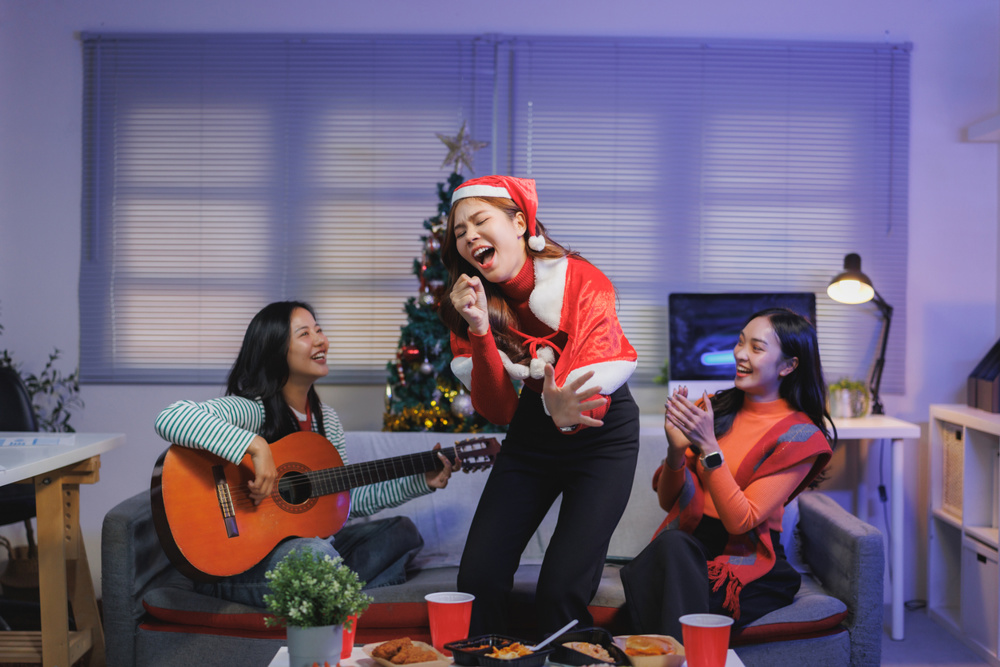
Themed karaoke nights have evolved from novelty events into core features of nightlife culture. Rather than offering a generic song catalog, venues now build immersive experiences around specific ideas—decades, genres, or aesthetics. These themes create a sense of occasion, encouraging people to participate more actively rather than simply observe.
This shift reflects a larger trend toward experience-driven entertainment. People are no longer just looking for something to do—they want something memorable. A themed karaoke night offers structure and creativity at the same time. Guests can dress up, choose songs that fit the theme, and engage with others who are participating in the same shared concept.
How Themed Karaoke Nights Took Over Bars, Parties, and Pop Culture
Themed karaoke nights have quietly transformed from novelty additions into revenue-generating powerhouses for bars and venues worldwide. Studies across 37 London venues confirm that themed nights boost attendance by 31% and lift customer spending by 42%. You're not just selling songs — you're selling an experience.
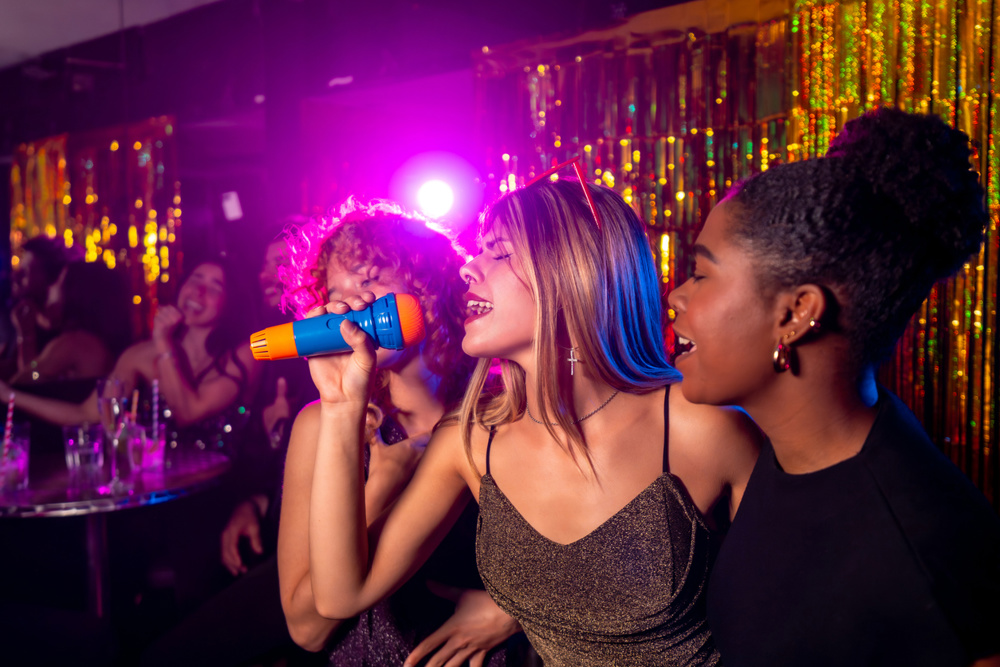
Immersive backdrops tied to decades nights, Hollywood Glam setups, or Y2K metallic decor keep guests staying longer, spending more, and returning weekly. Hire host nights amplify engagement further, with competitive formats like "Divas vs. Rockstars" driving crowd energy to its peak. Millennials chase 80s nostalgia, Gen Z performs TikTok hits, and Gen X rediscovers alternative rock — themed karaoke reaches everyone.
When groups head out for themed karaoke nights, using a tip calculator tool makes it easy to split the final bar tab and gratuity fairly among friends. What started as a fun add-on has become a defining pillar of modern venue culture. Venues that invest in karaoke systems benefit from a 12.2% boost in return on assets, according to research from Aalto University.
Why Decade-Themed Karaoke Nights Tap Into Nostalgia So Effectively
Nostalgia is one of the most powerful drivers of cultural engagement, and karaoke taps into it with remarkable precision. Songs are deeply tied to memory, often linked to specific periods of life. When people hear familiar tracks, they don’t just recognize them—they relive the moments associated with them.
Decade-themed nights amplify this effect by combining music with visual cues. Decorations, fashion, and even lighting recreate the feeling of a specific era. This layered experience strengthens emotional connections and encourages participation, even from people who might not normally perform.
What makes nostalgia particularly effective in karaoke is its social dimension. These memories are rarely isolated—they are shared. When a group sings along to the same song, individual experiences merge into a collective one. This creates a sense of connection that extends beyond the event itself, reinforcing why people return to these experiences repeatedly.
The Party Games That Make Karaoke a Social Phenomenon
Karaoke rarely stays exciting on its own — it's the party games layered around it that transform a simple sing-along into a full social event. Formats like Duet Roulette and Battle of the Bands reshape Group Dynamics by pushing guests toward unexpected connections and friendly competition.
You don't need a strong voice to stay engaged, either. Participation Mechanics like Pass the Mic, Lyric Guessing Challenges, and judging roles keep everyone active, whether they're performing or not. Lip Sync Battles remove vocal pressure entirely, while Karaoke Roulette eliminates the anxiety of song selection.
Progressive game structures let mixed groups start easy and build toward higher-stakes rounds. These layered formats turn passive spectators into invested participants, making karaoke genuinely social rather than a spotlight reserved for the confident few. In formats like the One-Word Song Challenge, players are eliminated if they fail to recall and perform a song containing the chosen word within 30 to 60 seconds.
How TV Shows and Movies Made Karaoke a Cultural Staple
While party games explain why karaoke thrives in a room, screen culture explains why it became embedded in everyday life. When you watch Bob sing Roxy Music's "More Than This" in Lost in Translation or Chip's unhinged Jefferson Starship performance in The Cable Guy, you're seeing scripted spontaneity at work — moments designed to feel raw yet purposeful.
TV delivered the same impact. Michael Scott's "Island in the Stream" duet with Jim and Leslie Knope's Grease number with Jeremy Jamm used celebrity cameos and familiar songs to mirror your own karaoke impulses. These scenes didn't just entertain; they normalized vulnerability through song.
Every cringeworthy power ballad and drunken Pixies performance reinforced karaoke as a universal language you already understood. In How I Met Your Mother, Marshall's cheesy yet heart-melting rendition of "Don't Go Breaking My Heart" captured exactly the kind of earnest, unguarded moment that made audiences feel seen in their own off-key performances.
Check out MrPopCulture.com and learn more about pop culture trends in themed parties and karaoke nights.
How Did TikTok Viral Challenges Reinvent Karaoke Participation?
TikTok has fundamentally changed how karaoke is experienced. Instead of being confined to physical spaces like bars or private rooms, it now exists in a digital, always-accessible format. Anyone with a smartphone can participate, removing traditional barriers like location, stage fright, or social pressure. This shift has dramatically expanded who gets to perform and how often.
Short-form video formats play a major role in this transformation. Because performances are brief, users feel more comfortable experimenting. They can try different genres, personas, or comedic styles without committing to a full song. Features like duets and stitches turn karaoke into a collaborative activity, allowing people to sing with strangers, react to performances, or build layered content across multiple users.
This digital evolution has also redefined what counts as a “good” performance. Technical singing ability is no longer the main standard. Instead, creativity, humor, storytelling, and relatability drive engagement. A funny or emotionally resonant clip can outperform a technically perfect performance. As a result, karaoke has become more inclusive, reflecting a wider range of voices and styles that better represent how people actually engage with music in everyday life.
Why K-Pop Nights Are Pulling Younger, Multilingual Crowds Into Karaoke
K-pop has introduced a new dimension to karaoke culture by blending music with performance and global identity. These events attract younger, highly engaged audiences who are drawn not just to the songs, but to the energy, choreography, and shared fandom surrounding them. Karaoke becomes less about individual singing and more about participating in a collective cultural experience.
Unlike traditional karaoke, K-pop nights often extend beyond vocals. Dance routines, synchronized group performances, and fan chants are common, creating an environment that feels closer to a live concert than a casual sing-along. This added layer of performance encourages participation from people who may not consider themselves strong singers but enjoy expressing themselves through movement and energy.
The multilingual nature of K-pop further expands its appeal. Participants regularly engage with lyrics in Korean, English, and other languages, breaking down traditional language barriers. This reinforces a key feature of modern pop culture—global accessibility. People connect through shared enthusiasm rather than shared language, highlighting how music and performance can create community across cultural boundaries.
What Makes Karaoke Lip Sync Battles and Talent Shows So Addictive?
Karaoke lip sync battles hook you instantly because the pressure to perform vanishes the moment prerecorded tracks take over. You're not chasing perfection—you're chasing connection, laughter, and authentic performance rooted in pure expression.
Three elements fuel the addiction:
- Playful courage lets you embody Janis Joplin or Eminem without vocal talent, just enthusiasm and solid song choice.
- Community energy amplifies every moment—hashtags, crowd reactions, and collective participation mirror school-spirit electricity.
- Emotional release triggers uncontrollable laughter, reliving childhood silliness free from adult restraint.
Editing tools, effects, and personal flair sharpen your contribution across TikTok and Lemon8, making each video uniquely yours. The format rewards boldness over skill, which means anyone willing to commit fully can win the crowd entirely. Using suggested audio features helps you quickly identify viral sounds so you can jump on trending moments before they fade.
How Does Social Media Turn Karaoke Moments Into Viral Content?
Social media almost always rewards the moments you never planned to share—and karaoke delivers exactly that. Its authenticity appeal lies in capturing you unfiltered—nervous, silly, or surprisingly talented—offering a sharp contrast to the polished content flooding digital platforms. Viewers connect instantly because they see themselves reflected in every performance, whether it succeeds brilliantly or fails hilariously.
Algorithmic amplification does the rest. TikTok and Instagram Reels prioritize exactly these spontaneous, genuine clips over rehearsed productions. Since 38% of TikTok users have visited venues after watching location-based content, your karaoke moment becomes a discovery engine. Crowd reactions, shocked expressions, and unexpected vocal performances transform simple songs into shareable stories.
When you add interactive features like song requests and live streaming, every performance becomes a unique, audience-driven event worth distributing across networks. What began as a private booth experience across Asia has now migrated to public parks, open-air malls, and street corners, turning neighborhood entertainment into globally consumed content.
Why Karaoke Theme Nights Drive More Venue Revenue and Crowd Energy
Hosting a themed karaoke night transforms your venue from a casual stop into a deliberate destination—and the financial data backs this up convincingly. Extended dwell time shifts from under two hours to four, multiplying purchasing cycles and lifting per-visit spend by 42%.
Theme-based nights attract premium bookings from celebrations and corporate groups willing to pay £30–£75 hourly for private rooms.Three revenue drivers make themed karaoke outperform standard evenings:
- Footfall increases averaging 31%, with some venues reporting 50% growth
- Customer spend rising 30–42% above non-karaoke nights
- ROA improvement of 12.23 percentage points, per Aalto University research
You're not just adding entertainment—you're repositioning your venue competitively, converting underutilized space into high-margin experiences that generate repeat visits and sustained revenue growth. Competitive socializing concepts grew 386% since the beginning of 2021, reflecting a broader cultural shift toward experience-first spending that themed karaoke nights are uniquely positioned to capture.
Virtual Rooms, AI Setlists, and the Next Era of Karaoke Party Culture
Technology is pushing karaoke beyond its traditional boundaries. Virtual platforms allow people to perform together in shared digital environments, removing the need for physical proximity. This creates opportunities for global participation, where users from different locations can interact in real time.
AI is also shaping how karaoke experiences are curated. Personalized song recommendations, adaptive playlists, and interactive game features make the experience more tailored to individual preferences. This reduces decision fatigue and keeps participants engaged by continuously offering relevant options.
These innovations reflect a broader shift in entertainment toward interactivity and personalization. Karaoke is no longer a fixed format—it is evolving into a flexible system that adapts to how people want to engage. As technology advances, the experience will likely become even more immersive, blending physical and digital participation seamlessly.
How Karaoke Reflects Identity and Self-Expression
Karaoke has increasingly become a way for people to express who they are. Song choices often reflect personal taste, emotional state, or cultural background. Whether someone chooses a nostalgic ballad or a current hit, the selection communicates something about their identity.
Performance style adds another layer. Some people approach karaoke humorously, others seriously, and some use it as a way to experiment with confidence or creativity. This flexibility makes karaoke a unique space where different forms of expression can coexist.
In the context of modern pop culture, this aligns with a larger emphasis on self-presentation. People are used to sharing curated versions of themselves online, and karaoke provides a live, performative extension of that behavior. It becomes a bridge between personal identity and shared cultural experiences.
Conclusion
Karaoke and party games have grown into powerful cultural forces that reflect how entertainment has changed. They combine music, social interaction, and digital sharing into experiences that are both personal and collective.
From themed nights and nostalgic playlists to viral challenges and virtual performances, karaoke continues to evolve with the times. It mirrors broader shifts in pop culture, where participation, identity, and connection are central. What began as a simple activity has become something much larger—a dynamic, adaptable form of expression that continues to shape how people engage with music and each other.